
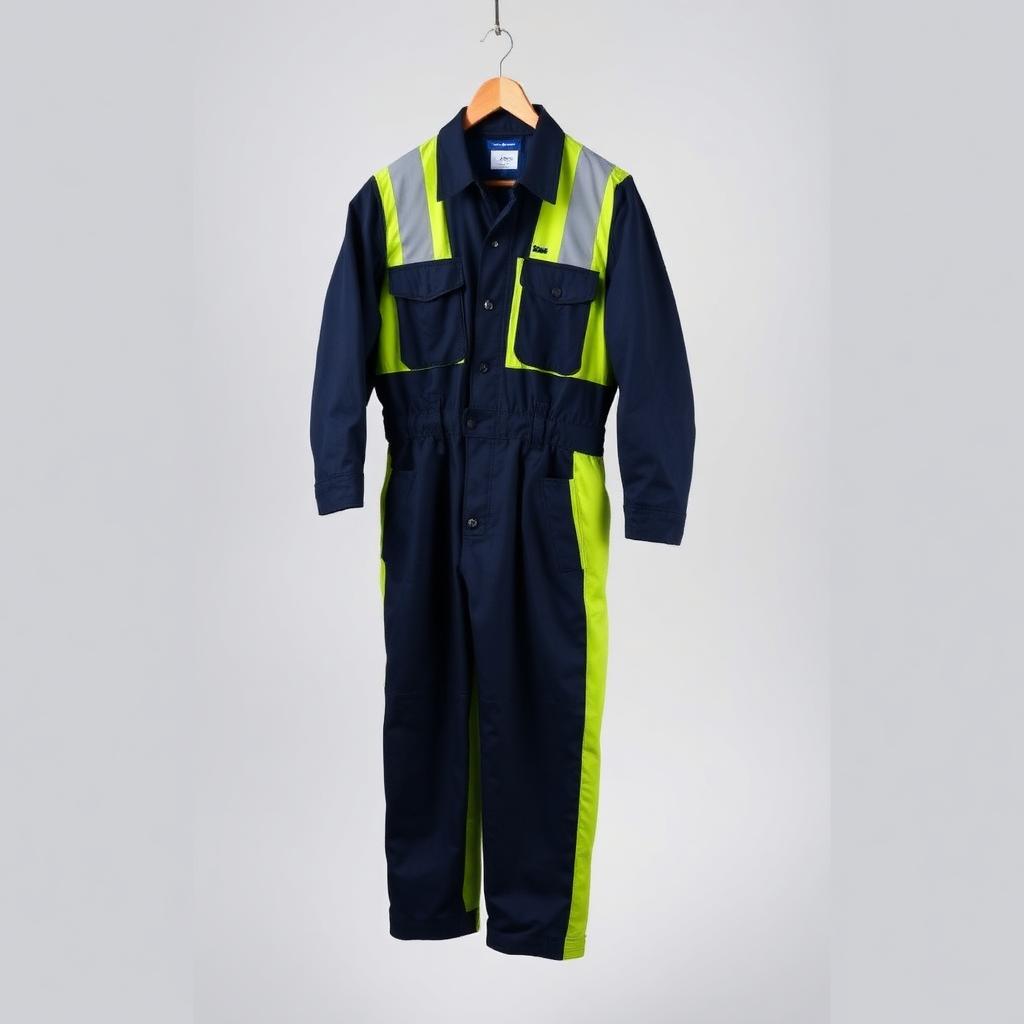
Related European Suppliers

Dany fashion ltd

Dany fashion ltd

Amaral Factory

Amaral Factory
A useful workwear or uniform specification starts with the wearer, task and working environment. Garment type, fabric, movement, care, pockets, closures, reinforcement, branding, sizes and repeat-order requirements all need to be defined before quotations can be compared.
To find relevant companies, browse workwear and uniform suppliers on Supply EU. For broader manufacturer research, read Workwear manufacturers in Europe.
This guide addresses general custom workwear and uniforms. It does not establish PPE compliance, protective performance or legal suitability.
Table of contents
- Define the wearer and use
- Choose garments and fabric
- Specify fit and movement
- Plan functional details
- Define branding
- Plan sampling
- Prepare repeat orders
- Build the RFQ
- Compare suppliers
Define the wearer and use case
Explain who will wear the garment and what they will do in it. Hospitality staff, warehouse teams, technicians, office-facing teams and event personnel can require different fits, materials and functional details.
Document:
- wearer role and work setting
- indoor or outdoor use
- movement and comfort requirements
- expected care and washing approach
- appearance and brand requirements
- issue frequency and expected reorders
Do not describe ordinary uniforms as protective equipment. If regulated protection is required, that needs a separate, appropriately verified specification and supplier assessment.
Choose garments and fabric
List every garment in the programme: polos, shirts, trousers, jackets, aprons, tunics, scrubs, overshirts or complete sets. Each style should have its own specification and quantity breakdown.
Fabric information can include
- composition
- weight
- woven or knitted construction
- colour
- finish
- desired handle and ease-of-care requirements. Rather than requesting “durable fabric”
- describe the expected use and evaluation. Ask the supplier what evidence or sample they can provide without assuming certification or performance.
Colour consistency matters when garments are worn together or reordered. Provide colour references and ask how shade approval and repeat production are controlled.
Specify fit, sizing and movement
Provide
- a size range
- base measurement chart and important tolerances. Explain whether styles are unisex or use separate fits. Consider reach
- bending
- sitting and repeated movement when reviewing the pattern.
If staff wear layers underneath, state this. Check sleeve, body, rise and inseam dimensions where relevant. Size grading should preserve pocket access, logo position and garment proportions across the range.
An order estimate should include expected quantities by size. A total quantity without a size split is not enough for final production planning.
Plan pockets, closures and reinforcement
Functional details should reflect the wearer’s task. Specify pocket count, dimensions, position, opening direction and intended contents. Define zips, buttons, snaps, hook-and-loop closures, drawcords, elastic and adjusters.
If particular areas need reinforcement because of expected use, identify the location and desired result. Include
- knee
- elbow
- pocket opening
- seam or attachment-point details only where relevant. Do not claim protective performance unless it is supported by an approved requirement and evidence.
Trims should be listed in the specification or BOM so suppliers quote comparable components.
Define branding and identification
Embroidery, print, badges, woven labels and other methods may suit different garments. Provide
- artwork
- dimensions
- colour references and measured placement.
For wearer names, departments or roles, explain:
- variable information required
- file format and naming structure
- position and size
- quantity for each variation
- how replacements and reorders should be handled
Personalisation creates additional production variants, so include it when discussing MOQ and pricing.
Plan sampling and wear evaluation
Review the sample for measurements, fit, movement, fabric, seams, pockets, closures, reinforcement, trims, colour and branding. Test pocket access and garment movement with representative tasks where practical.
Record who tested the sample, the size worn and any approved changes. A sample approved only on a mannequin may not reveal movement or layering issues.
Retain the approved garment, measurement chart, artwork, trim references and colour standard for bulk production and repeat orders.
Prepare the order breakdown and repeat orders
Provide
- quantities by style
- colour
- size and personalisation variant. Ask how minimums apply and whether different garments can share fabric
- trims or branding setups.
Uniform programmes often need replacements or later staff additions. Discuss how specifications, colours, labels and artwork will be retained, whether the same materials are expected to remain available, and how small repeat orders are handled. Do not assume the initial MOQ automatically applies to reorders.
Build a complete workwear RFQ
Include:
- wearer role and use case
- garment list and quantities by style
- reference images or technical drawings
- measurement chart and size breakdown
- fabric composition, weight, colour and care expectations
- pockets, closures, reinforcement and trims
- artwork, dimensions and placement
- personalisation data where relevant
- labels and packaging
- destination, timing and anticipated reorder pattern
State clearly whether any protective, regulatory or certification requirement exists. Do not ask suppliers to infer it from the term “workwear”.
Compare workwear suppliers
- Relevant experience: Similar garment and wearer use cases.
- Specification control: Measurements, fabric, trims and revisions.
- Sampling: Fit and wear-evaluation process.
- Branding: Standard and variable personalisation.
- Size management: Grading and quantity breakdown.
- Repeat orders: Colour and specification continuity.
- Communication: Clear questions and documented responses.
Compare like-for-like quotations and verify what is included. When the brief is ready, compare workwear and uniform suppliers and contact suitable manufacturers directly.
🇪🇺 Find verified European european suppliers suppliers on Supply EU
Browse pre-vetted manufacturers with transparent pricing and certifications.
Browse European Suppliers Suppliers❓ Frequently Asked Questions
What is the best way to source how to specify custom workwear and uniforms for european production?▼
How do I find reliable European suppliers for how to specify custom workwear and uniforms for european production?▼
What certifications should I look for when sourcing from Europe?▼
What are typical lead times for European suppliers?▼
Why buyers choose Supply EU
250+ European suppliers · Free RFQ posting · Direct supplier contact · No commission on orders · Supported by the Paris Chamber of Commerce
Related articles
See all →
How to Prepare a Textile Sourcing Brief for Portuguese Manufacturers
A practical guide to defining textile products, materials, construction, quantities, samples and comparable RFQs before contacting Portuguese manufacturers.
How to Prepare an Apparel Production Brief for Turkish Manufacturers
A practical guide to preparing a clear apparel production brief for Turkish manufacturers, covering tech packs, fabrics, fit, branding, quantities, sampling and RFQ comparison.
How to Specify Woven Fabric for European Suppliers: Weight, Width & Finish
A technical buyer guide to defining woven fabric construction, composition, weight, width, colour, finishing, samples and RFQ requirements.