
Related European Suppliers

Dany fashion ltd

Dany fashion ltd

Amaral Factory

Amaral Factory
Why Romania Leads European Home Textiles Manufacturing
Romania has established itself as a powerhouse in the European home textiles manufacturing sector, offering an exceptional combination of skilled craftsmanship, modern production facilities, and competitive pricing. With over 400,000 workers employed in the textile and garment industry, Romania ranks among the top five textile producers in the European Union. com/suppliers) for bedding, towels, curtains, and other home textile products.
The Romanian home textiles industry generates approximately €3.2 billion in annual revenue, with 65% of production exported to Western European markets. Major manufacturing clusters are
- concentrated in regions like Transylvania
- Moldavia
- Banat
- where decades of textile heritage combine with modern technology investments. Companies sourcing from Romania benefit from shorter lead times compared to Asian alternatives
- typically 4-6 weeks versus 12-16 weeks
- while maintaining compliance with stringent EU regulations including REACH
- OEKO-TEX Standard 100
- General Product Safety Directive requirements.
Romania's Competitive Advantages in Home Textiles Production
Cost-Effectiveness Without Compromising Quality
Romanian home textiles manufacturers offer
- production costs 30-40% lower than Western European countries while maintaining comparable quality standards. Average labor costs in Romania's textile sector range from €500-€800 per month
- significantly lower than Germany (€3
-
- France (€2
-
- Italy (€2
- 400). This cost advantage extends beyond labor to include competitive energy prices and lower operational overhead
- enabling manufacturers to offer attractive pricing for bulk orders without sacrificing craftsmanship or material quality.
Despite competitive pricing, Romanian manufacturers consistently achieve high quality benchmarks. Over 70% of home textiles producers hold ISO 9001 quality management certification, while many specialized facilities maintain OEKO-TEX Standard 100 certification for textile safety. This dual advantage of affordability and quality makes Romania particularly attractive for mid-market and premium brands seeking to optimize their supply chain costs while meeting European consumer expectations.
Skilled Workforce and Technical Expertise
Romania's textile industry benefits from a highly skilled workforce with generational expertise in fabric production and finishing. Textile engineering programs at universities in Iași, Bucharest, and Cluj produce approximately 1,200 graduates annually, ensuring a steady pipeline of technically trained professionals. Many Romanian workers have 15-25 years of experience in home textiles manufacturing, particularly in complex products like jacquard weaving, embroidered bedding, and premium toweling that require advanced technical skills.
The workforce's expertise extends across multiple production categories. Romanian manufacturers excel in cotton terry towel production, with facilities capable of producing 5,000-10,000 towels daily at weights ranging from 400-700 GSM. Bedding manufacturers offer
- comprehensive capabilities including thread counts from 200-1000
- various weaving techniques (percale
- sateen
- jacquard)
- finishing processes such as mercerization
- sanforization
- bio-polishing. This technical versatility allows buyers to source diverse home textile products from single suppliers
- simplifying supply chain management.
Modern Production Capabilities and Technology
Romanian home textiles manufacturers have invested heavily in modernizing production facilities over the past decade. Industry data shows that 45% of textile equipment in Romania has been installed or upgraded since 2015, with investments totaling over €800 million. Modern weaving operations utilize Sulzer, Picanol, and Tsudakoma looms capable of producing fabrics up to 360cm wide, essential for seamless bedding production. Finishing departments feature
- state-of-the-art continuous dyeing ranges
- automated cutting systems
- computerized quality control equipment.
Digitalization initiatives have transformed Romanian textile operations. Leading manufacturers implement ERP systems for production planning, real-time inventory tracking, and quality management. CAD/CAM systems enable rapid pattern development and technical specification management, reducing sample development time from 3-4 weeks to 7-10 days. Many facilities offer
- online portals where buyers can track production status
- review quality reports
- manage documentation—capabilities once exclusive to Asian mega-factories but now standard among progressive European suppliers.
Key Product Categories in Romanian Home Textiles Manufacturing
Bedding and Bed Linen Production
Romanian manufacturers excel in comprehensive bedding production, from basic cotton sheets to luxury hotel-quality linens. Production capabilities include
- duvet covers
- fitted sheets
- pillowcases
- bed skirts
- decorative cushions across multiple fabric qualities. Standard cotton percale and sateen production runs typically start at 5
- 000 pieces per design
- while premium jacquard and embroidered collections may have minimum orders of 2
- 000-3
- 000 pieces. Leading facilities maintain fabric inventories of 50-100 different base cloths
- enabling faster turnaround for standard specifications.
The Romanian bedding sector particularly excels in private label manufacturing for European retailers and hospitality suppliers. Factories produce approximately 45 million bedding pieces annually, with 60% destined for Western European markets. Technical capabilities include
- specialized treatments like anti-allergen finishing
- moisture-wicking technologies
- antimicrobial treatments—increasingly important for health-conscious consumers. Quality control processes typically include 4-point inspection systems
- dimensional stability testing
- colorfastness verification to ISO 105 standards.
Terry Towel and Bathroom Textiles
Romania's terry towel manufacturing sector represents a significant specialization, with dedicated facilities producing bath towels, hand towels, face towels, bath mats, and bathrobes. Production capacity focuses on ring-spun cotton terry, with weights ranging from 380 GSM for basic hotel towels to 700 GSM for premium retail products. Advanced facilities operate Sulzer and Dornier weaving equipment capable of producing zero-twist terry, highly absorbent constructions that appeal to premium market segments.
Manufacturers offer
- comprehensive customization including dobby borders
- jacquard patterns
- embroidered logos
- appliqué decorations. Standard production minimums range from 3
- 000-5
- 000 pieces per color for solid towels
- while jacquard designs typically require 5
- 000-7
- 000 pieces due to loom setup requirements. Romanian towel producers maintain OEKO-TEX Standard 100 certification as standard practice
- with many also holding GOTS certification for organic cotton processing—critical credentials for environmentally conscious brands and retailers.
Decorative Textiles and Soft Furnishings
Romanian home textiles manufacturers produce extensive ranges of decorative products including
- curtains
- cushions
- throws
- tablecloths
- kitchen textiles. This segment showcases Romanian craftsmanship particularly well
- with capabilities for intricate embroidery
- appliqué work
- mixed-material constructions. Curtain manufacturing includes both ready-made and custom production
- with facilities capable of handling various headings (pencil pleat
- eyelet
- tab top) and lining options (blackout
- thermal
- interlining).
Production flexibility represents a key strength in this category. Unlike large Asian factories focused on massive volume runs, Romanian manufacturers efficiently handle mid-size orders of 1,000-3,000 pieces, ideal for specialty retailers and emerging brands. Lead times for decorative textiles typically range from 6-10 weeks including
- fabric sourcing
- production
- finishing. Many suppliers maintain relationships with European fabric mills in Italy
- Spain
- Portugal
- enabling access to premium materials while keeping the supply chain within the EU for simplified logistics and customs procedures.
Quality Standards and Certifications in Romanian Manufacturing
Essential EU Compliance and Safety Standards
Romanian home textiles manufacturers operate under strict EU regulatory frameworks that ensure product safety and quality. All textile products must comply with REACH regulations restricting hazardous chemicals, with regular testing for substances like formaldehyde, heavy metals, and banned azo dyes. The General Product Safety Directive requires comprehensive risk assessments and documentation, which Romanian suppliers routinely maintain as part of standard operations.
These mandatory compliance requirements provide buyers with confidence that products meet European market entry standards without additional verification.
OEKO-TEX Standard 100 certification has become nearly universal among Romanian home textiles suppliers, with over 80% of exporters holding this credential. The certification verifies that finished products are
- free from harmful substances and safe for human contact
- tested against approximately 300 regulated and unregulated chemicals. For baby and children's products
- manufacturers maintain Product Class I certification
- the most stringent OEKO-TEX category. Testing is conducted by accredited laboratories in Romania and internationally
- with annual renewal requirements ensuring ongoing compliance.
Quality Management and Manufacturing Excellence
ISO 9001 quality management certification serves as the foundation for operational excellence among Romanian textile manufacturers. This standard ensures documented processes, continuous improvement methodologies, and systematic quality control throughout production. Certified facilities implement statistical process control, regular internal audits, and corrective action protocols that minimize defects and ensure consistency across production runs.
For B2B buyers, ISO 9001 certification provides assurance of reliable supplier performance and professional management systems.
Many Romanian home textiles manufacturers have progressed to specialized certifications including
- ISO 14001 for environmental management and ISO 45001 for occupational health and safety. These credentials reflect commitment to sustainable operations and worker welfare—increasingly important considerations for brands focused on ethical sourcing. Additionally
- facilities supplying hospitality markets often maintain specialized certifications like Hohenstein quality labels or individual hotel chain compliance programs
- demonstrating capability to meet demanding institutional specifications.
Sustainability and Organic Certifications
Sustainability credentials have become competitive differentiators for Romanian manufacturers. GOTS (Global Organic Textile Standard) certification is held by approximately 25 Romanian facilities, enabling production of certified organic cotton bedding, towels, and soft furnishings. GOTS encompasses both ecological and social criteria, requiring organic fiber content, restricted chemical usage, wastewater treatment, and fair labor practices.
For brands targeting environmentally conscious consumers, GOTS-certified Romanian suppliers offer European production alternatives to distant organic manufacturing hubs.
Other sustainability certifications gaining traction include
- GRS (Global Recycled Standard) for recycled content products and EU Ecolabel for reduced environmental impact throughout product lifecycles. Several Romanian manufacturers have invested in closed-loop water recycling systems
- solar energy installations
- waste reduction programs that reduce environmental footprint. These initiatives align with EU Green Deal objectives and position Romanian suppliers favorably as sustainability requirements intensify across European markets. Browse Fashion & Textiles Suppliers to find certified manufacturers meeting your sustainability criteria.
Strategic Sourcing Considerations for Romanian Home Textiles
Minimum Order Quantities and Production Flexibility
Understanding MOQ requirements is essential when sourcing from Romanian manufacturers. Standard MOQs vary by product complexity and production method. Basic cotton bedding typically requires 3,000-5,000 pieces per design and colorway, while printed collections may start at 2,000-3,000 pieces due to screen preparation costs.
Terry towels generally have MOQs of 3,000-5,000 pieces per color for solid constructions, increasing to 5,000-10,000 for jacquard patterns requiring specialized loom setup.
Romanian manufacturers often demonstrate greater flexibility than Asian competitors for mid-size orders, making them ideal partners for growing brands and specialty retailers. Some facilities accept initial trial orders at 1,000-1,500 pieces with premium pricing, allowing buyers to test market acceptance before committing to larger volumes. This flexibility extends to customization options—Romanian suppliers routinely accommodate specific dimensions, custom embroidery positions, or special packaging requirements that large-volume Asian factories might reject as too specialized.
Lead Times and Logistics Advantages
Production lead times for Romanian home textiles typically range from 45-75 days depending on product complexity and material sourcing requirements. Standard cotton bedding using readily available fabrics may ship within 4-6 weeks, while complex jacquard towels or custom printed products requiring fabric development extend to 8-10 weeks. These timelines are
- significantly shorter than Asian alternatives
- where ocean freight alone adds 30-45 days
- providing Romanian suppliers with distinct advantages for responsive supply chain management.
Logistics benefits extend beyond speed to include
- simplified customs procedures and reduced documentation requirements. As EU members
- Romanian exporters ship to other EU countries without customs duties
- tariffs
- complex import procedures. Road transport via truck reaches major European markets within 2-4 days: Germany (2 days)
- France (3 days)
- Italy (2 days)
- Spain (4 days). This connectivity enables just-in-time delivery strategies and reduces inventory carrying costs compared to ocean freight shipments requiring 60-90 day supply buffers.
Pricing Dynamics and Cost Transparency
Romanian home textiles pricing positions between Asian low-cost options and premium Western European manufacturers. 00 from Portuguese or Italian suppliers. Cotton percale bedding sets (200 thread count) typically cost €12-€18 FOB Romania versus €8-€12 from Asian sources and €22-€30 from Western Europe.
These mid-range prices reflect balanced value propositions emphasizing quality, compliance, and logistics efficiency.
Cost transparency represents an underappreciated advantage of Romanian suppliers. Detailed quotations typically itemize fabric costs, labor, finishing, packaging, and logistics separately, enabling buyers to understand cost structures and negotiate specific elements. This contrasts with Asian trading companies that often provide
- all-inclusive pricing without underlying detail. Additionally
- Romanian manufacturers quote and invoice in euros
- eliminating currency exchange risks present when sourcing from countries with volatile currencies. Payment terms typically include 30-50% deposits with balances against shipping documents
- though established relationships may qualify for 30-60 day payment terms.
Finding and Vetting Romanian Home Textiles Suppliers
Research and Supplier Identification Strategies
Identifying qualified Romanian home textiles manufacturers requires systematic research approaches. Industry directories and B2B platforms provide
- starting points
- with platforms like Supply EU offering curated European Suppliers pre-screened for reliability and capabilities. Trade associations including the Romanian Textile and Leather Manufacturers Association (FEPAIUS) maintain member directories with production specializations. Additionally
- attending European textile trade shows like Heimtextil Frankfurt provides opportunities to meet Romanian manufacturers and evaluate sample quality firsthand.
Online research should verify supplier credentials including
- business registration
- production facility locations
- certification status. Most established manufacturers maintain professional websites showcasing capabilities
- equipment
- certifications
- reference customers. LinkedIn profiles of management teams provide insights into company stability and professional experience. Requesting detailed company profiles including production capacity data
- equipment lists
- major customers (with permission)
- certification documents helps assess supplier sophistication and scale.
Evaluation Criteria and Qualification Process
Systematic supplier evaluation should assess multiple dimensions beyond pricing. Production capacity verification ensures suppliers can meet your volume requirements—request details on number of looms/machines, shifts operated, and current capacity utilization. Quality systems evaluation should review certification scope, inspection procedures, and defect rate data. Financial stability assessment through credit reports or bank references helps gauge business viability for long-term partnerships. Reference checks with existing customers provide
- invaluable insights into reliability
- communication quality
- problem-solving capabilities.
Sample evaluation represents a critical qualification step. Request samples matching your specifications including
- desired fabric quality
- construction details
- finishing requirements. Professional suppliers provide samples within 2-3 weeks
- accompanied by technical specifications including fabric composition
- weight
- dimensions
- care instructions. Conduct independent testing for key performance criteria like colorfastness
- dimensional stability
- pilling resistance. Compare sample quality against pricing to assess value proposition. Multiple sample rounds may be necessary to refine specifications before committing to production orders.
Building Successful Long-Term Supplier Relationships
Successful Romanian sourcing relationships require investment in communication and partnership development. Initial facility visits, while requiring travel investment, provide
- invaluable insights into manufacturing capabilities
- quality systems
- management professionalism that virtual communications cannot replicate. Plan facility visits to include production floor tours
- quality lab inspections
- meetings with both management and technical teams. These visits establish personal relationships that facilitate smoother ongoing communications and problem resolution.
Ongoing relationship management should emphasize clear communication, reasonable expectations, and mutual respect. Provide
- detailed technical specifications
- reference samples
- approval processes before production begins. Maintain regular communication during production through scheduled update calls or video conferences. Address issues promptly and professionally
- working collaboratively toward solutions rather than assigning blame. Recognize that successful partnerships benefit both parties—reliable buyers gain priority treatment
- favorable terms
- preferential capacity allocation during peak periods. Consider consolidating purchases with fewer suppliers to increase order volumes and strengthen partnership value for both parties.
Future Outlook for Romanian Home Textiles Manufacturing
Romania's home textiles sector faces promising growth prospects driven by nearshoring trends, sustainability priorities, and EU supply chain resilience initiatives. The COVID-19 pandemic accelerated recognition of Asian supply chain vulnerabilities, prompting European brands to diversify sourcing geographies. Romania benefits substantially from this reorientation, with textile exports growing 15% annually since 2020.
Government incentives for manufacturing investments, EU structural funds for technology modernization, and workforce development programs support continued sector competitiveness.
Sustainability imperatives will likely strengthen Romania's competitive position. Proposed EU regulations including
- Digital Product Passports and Corporate Sustainability Due Diligence Directive favor transparent European supply chains over distant alternatives where verification proves challenging. Romanian manufacturers' existing compliance with EU environmental standards
- shorter transportation distances reducing carbon footprints
- increasing adoption of renewable energy position the sector advantageously for environmentally conscious brands. Additionally
- growing consumer awareness of ethical production practices favors Romanian suppliers operating under EU labor protections versus regions with weaker worker safeguards.
Technological advancement will shape Romanian manufacturing evolution. Industry 4.0 initiatives incorporating automation, artificial intelligence, and IoT sensors are
- gradually being implemented
- promising efficiency gains and quality improvements. While full automation remains economically impractical for many textile processes
- selective automation of material handling
- cutting
- inspection functions can reduce costs while maintaining employment in skilled craftsmanship roles. Romanian manufacturers embracing these technologies while preserving human expertise in complex processes will best position themselves for sustained competitiveness in evolving European markets.
Ready to find verified Fashion & Textiles suppliers in Europe? Browse our curated directory of trusted manufacturers or post an RFQ to receive quotes from qualified suppliers.
🇪🇺 Find verified European home textiles suppliers on Supply EU
Browse pre-vetted manufacturers with transparent pricing and certifications.
Browse Home Textiles Suppliers❓ Frequently Asked Questions
What is the best way to source home textiles manufacturing in romania?▼
How do I find reliable European suppliers for home textiles manufacturing in romania?▼
What certifications should I look for when sourcing from Europe?▼
What are typical lead times for European suppliers?▼
Why buyers choose Supply EU
250+ European suppliers · Free RFQ posting · Direct supplier contact · No commission on orders · Supported by the Paris Chamber of Commerce
Related articles
See all →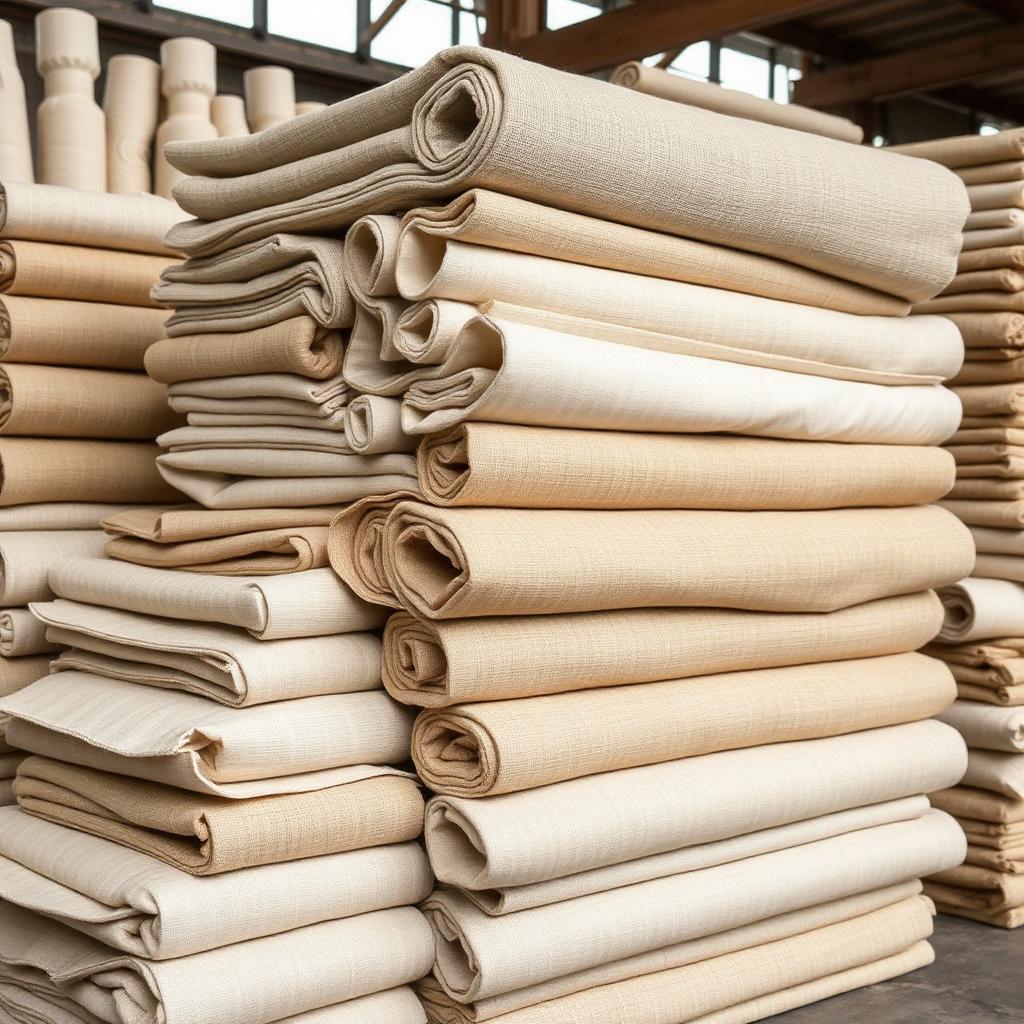
How to Prepare a Textile Sourcing Brief for Portuguese Manufacturers
A practical guide to defining textile products, materials, construction, quantities, samples and comparable RFQs before contacting Portuguese manufacturers.
How to Prepare an Apparel Production Brief for Turkish Manufacturers
A practical guide to preparing a clear apparel production brief for Turkish manufacturers, covering tech packs, fabrics, fit, branding, quantities, sampling and RFQ comparison.
How to Specify Woven Fabric for European Suppliers: Weight, Width & Finish
A technical buyer guide to defining woven fabric construction, composition, weight, width, colour, finishing, samples and RFQ requirements.